From the Archive
Understanding the Mill
What the 2020 condition survey revealed about the fabric, history and repair needs of Strand Spinning Mill.
Read the storyStrand Spinning Mill has stood on the Newtownards Road for more than a century. Today, Portview is working to protect its Grade B2 listed buildings and bring more of the Mill into productive use. Our approach starts with understanding the building, listening to the people connected to it and building the evidence needed for lasting regeneration.
Our Future
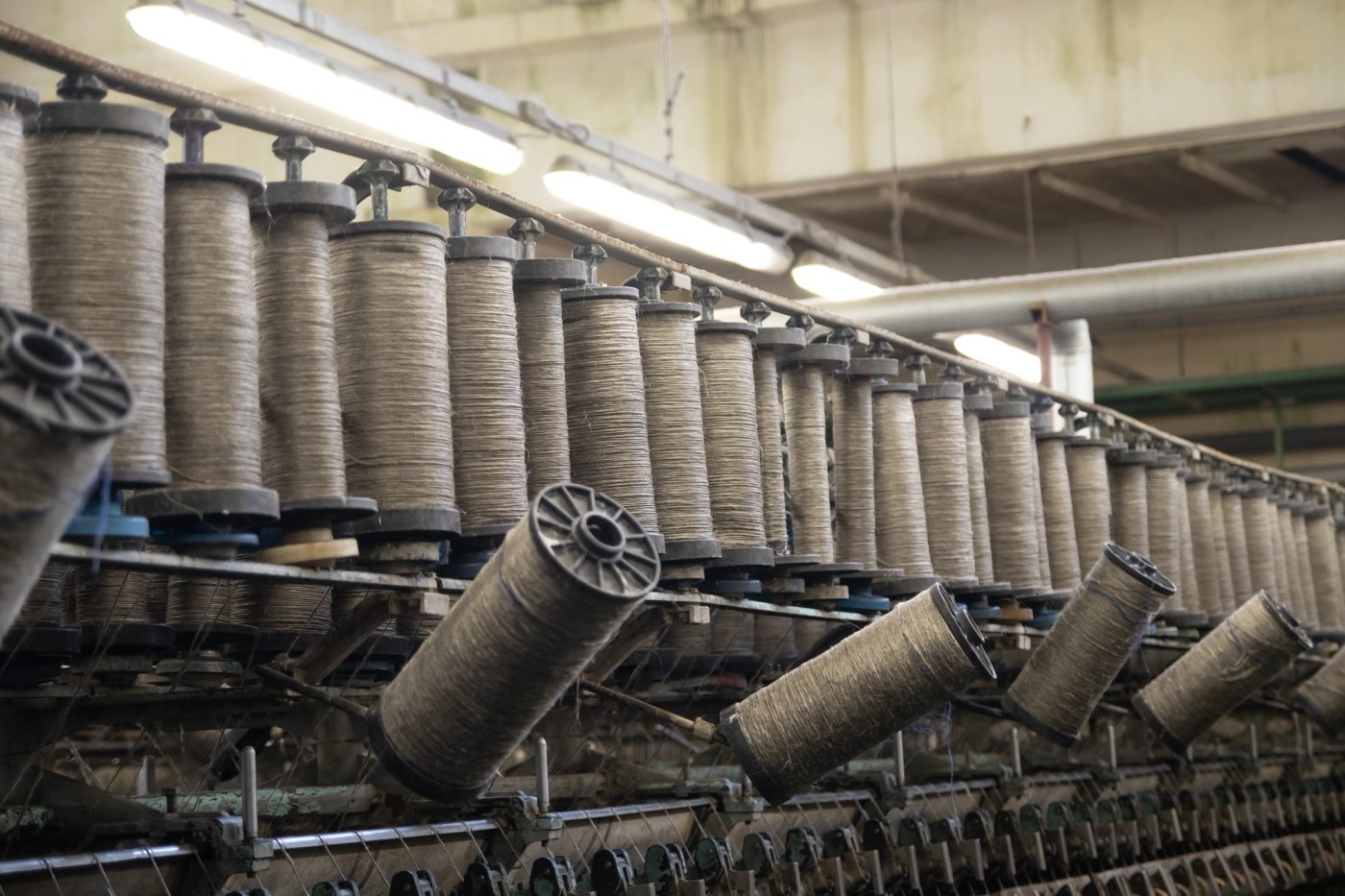
Strand Spinning Mill has stood on the Newtownards Road for more than a century. Built for Belfast’s linen industry, it later became Portview Trade Centre and today supports a new generation of businesses, organisations and public activity. Regenerating a listed industrial complex of this scale is not a single building project. It means understanding what survives, protecting the character that makes the Mill distinctive and finding viable new uses that can sustain it for the long term. Our approach is therefore phased: learn from the building, build the evidence, involve the people around it and bring more of the Mill back into productive use over time.
Our Future
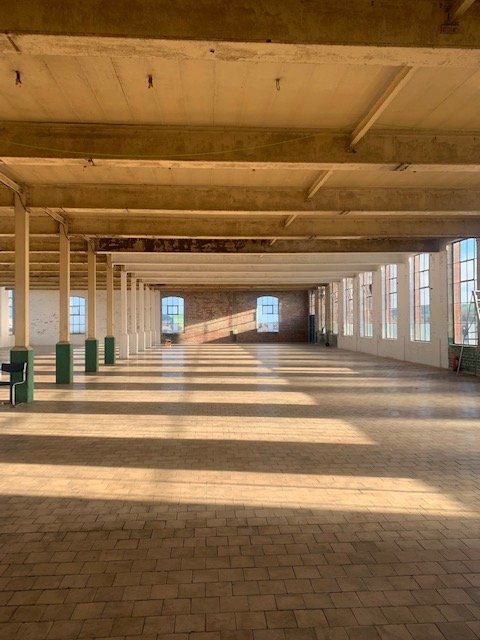
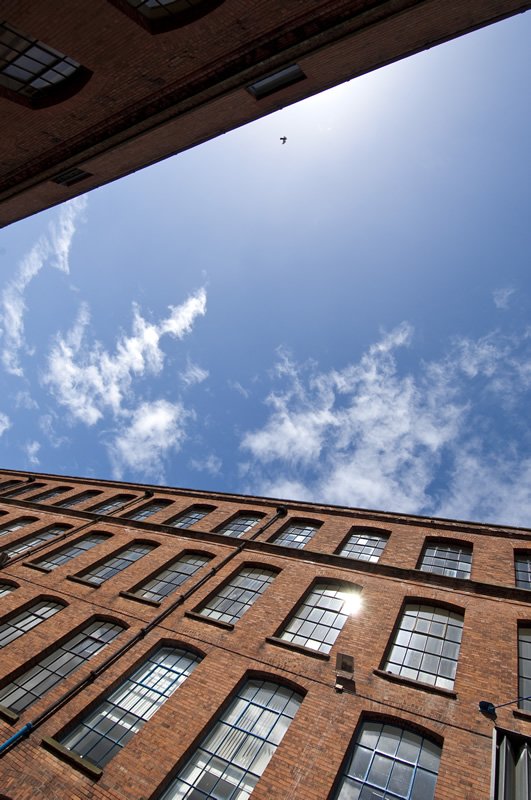
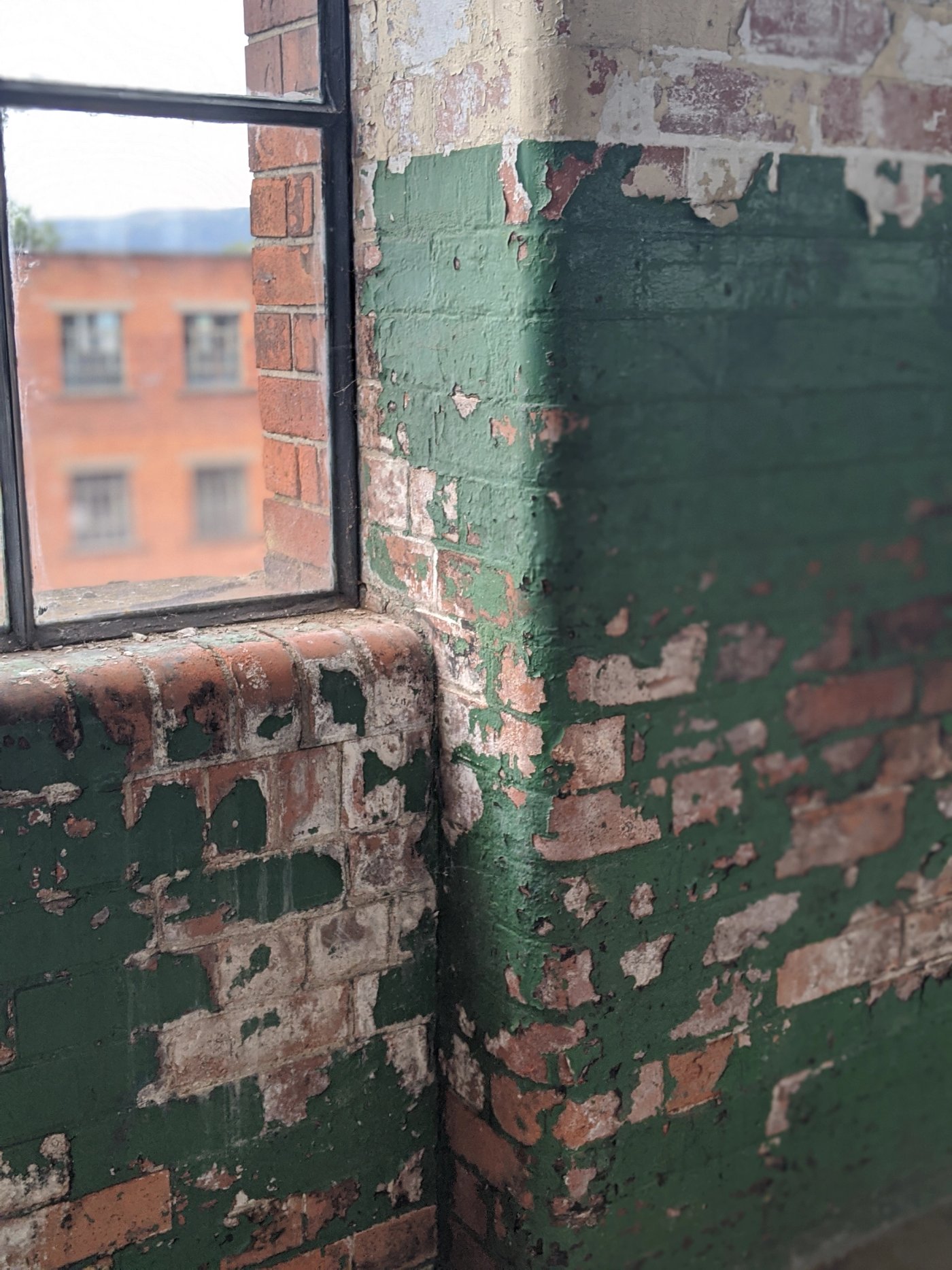
In 2020 Portview commissioned a detailed Historic Fabric Condition Report to understand the condition of the listed mill before developing longer-term regeneration proposals. The survey mapped defects across the main blocks and recorded how more than a century of industrial use, wartime damage, later alterations and weathering had affected the building. The findings were practical rather than cosmetic. Water ingress, deteriorating roofs and rainwater systems, rusting steel windows, damaged pointing and localised problems in brickwork, stonework and parapets all required attention. Just as importantly, the survey documented the large amount of original industrial fabric that still survives and gives the Mill its character.

Our Future
The condition work helped establish an important principle for Portview: regeneration should not mean stripping away the evidence of the building’s working life. The 2020 survey grouped works into urgent, essential and longer-term repairs and recommended that they could be delivered in phases as resources became available. Its conservation approach was clear — retain as much historic fabric as possible and protect the industrial patina of the complex. That means repairing brick, stone, steel windows, roofs and structural elements where possible; replacing failed material where necessary; and making interventions that allow the building to work for contemporary users without losing the qualities that make Strand Spinning Mill distinctive.
Our Future
The physical survey was only one part of a much wider programme of work supported by The National Lottery Heritage Fund in 2020. Portview used the opportunity to build an evidence base for the future of the whole site. Thirteen connected workstreams examined the Mill from different angles — measured and structural surveys, heritage conservation, architecture, environmental strategy, tourism, education and training, business planning, cost planning, branding, communications and digital interpretation. Together, this work did not deliver the regeneration itself. It made Portview better prepared for it: clarifying the condition of the buildings, testing future uses, identifying costs and risks, and giving later investment and planning work a much stronger foundation.
Our Future
Portview’s future was not developed only through technical reports. Community engagement formed a central part of the 2020 programme. Across themed workshops and the What’s the Story? campaign, 182 people took part, alongside 44 wider strategic stakeholder engagements. Former mill workers and people with family connections to Strand shared memories; tenants discussed how the site could work better; local organisations, policy makers and young people contributed ideas about what the Mill could become. Those conversations helped connect the physical regeneration of the building with wider ambitions for heritage, skills, employment, visitor activity and community benefit — and ensured that the future of Portview was being considered in the context of the East Belfast communities around it.
Our Future
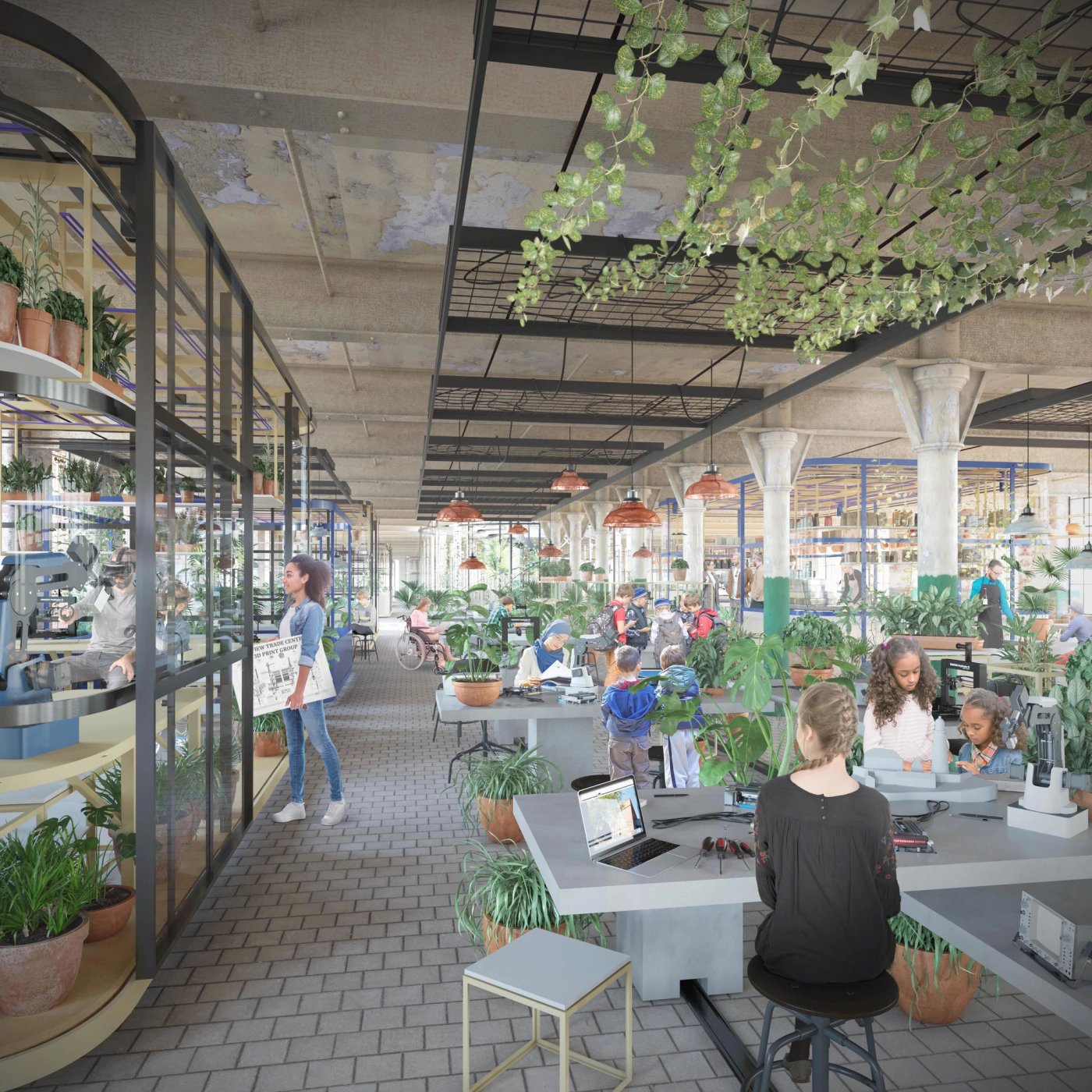
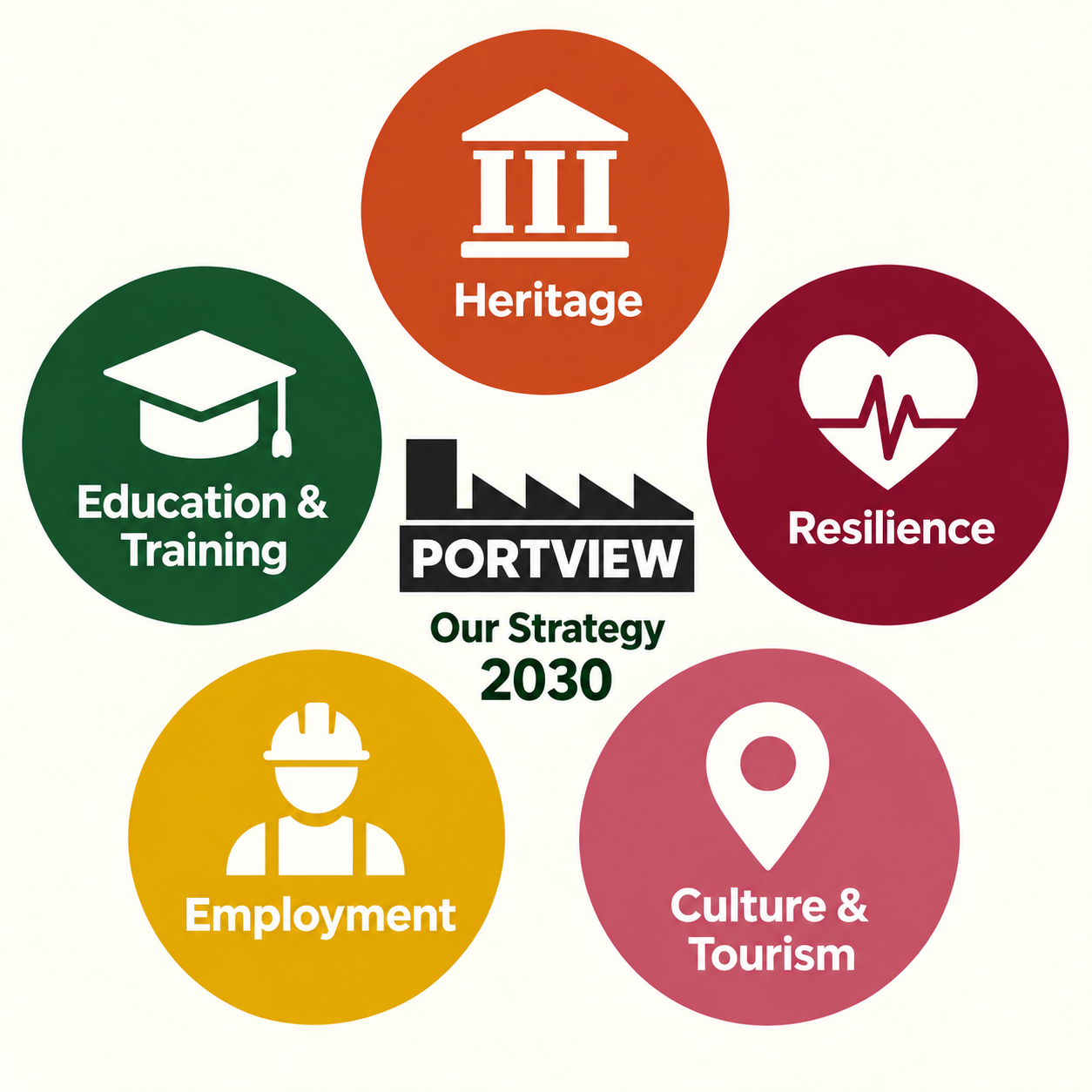
The work brought Portview’s emerging model together around five connected themes: Heritage, Education & Training, Resilience, Employment and Tourism. Heritage meant protecting the Mill and making its stories accessible. Education and Training explored new routes into skills and high-value employment. Resilience considered the environmental and financial sustainability of the site. Employment focused on growing a strong community of businesses and organisations. Tourism explored how opening the Mill to visitors could support both Portview and the surrounding area. These themes gave the masterplan a purpose beyond property development. The ambition was to use the renewal of a historic asset to create economic, social and cultural value at the same time.
Our Future
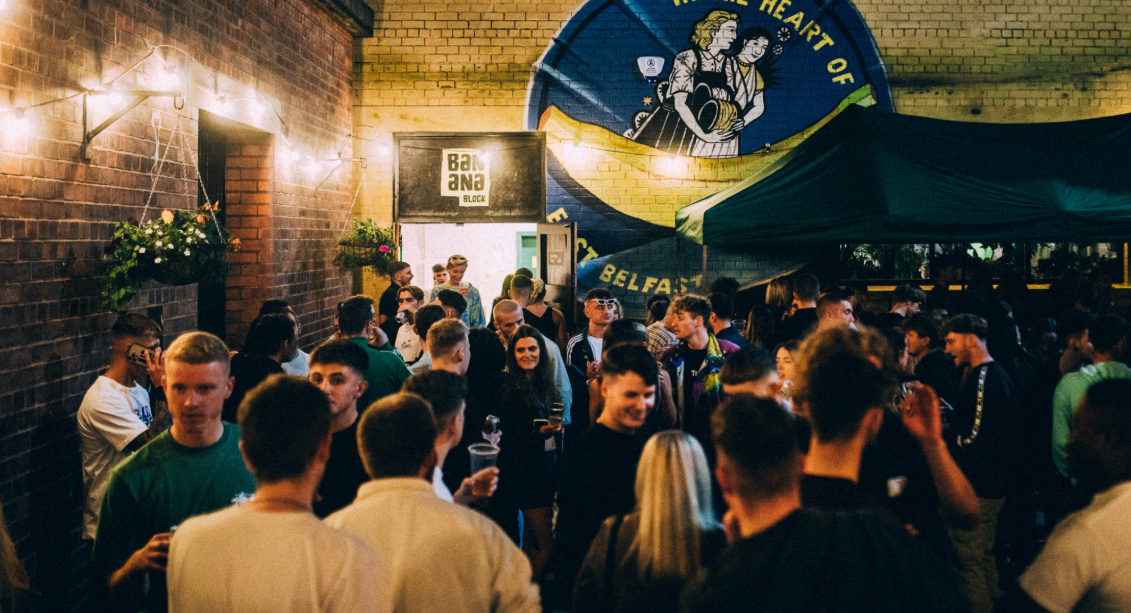
The value of the 2020 work was not only in the reports it produced. It also helped Portview build relationships, unlock further activity and test how the Mill could work differently. The programme strengthened links with organisations including National Museums NI, the Advanced Manufacturing Training Centre, Belfast City Council, Urban Villages and Tourism NI. Formal partnerships supported heritage interpretation and new approaches to skills and advanced manufacturing, while subsequent investment helped create meanwhile uses that brought more people into the site. Projects such as Banana Block, heritage activity, training partnerships, markets and events can all be seen as part of that wider progression — using practical projects to demonstrate what a regenerated Portview could contribute to East Belfast.
Our Future
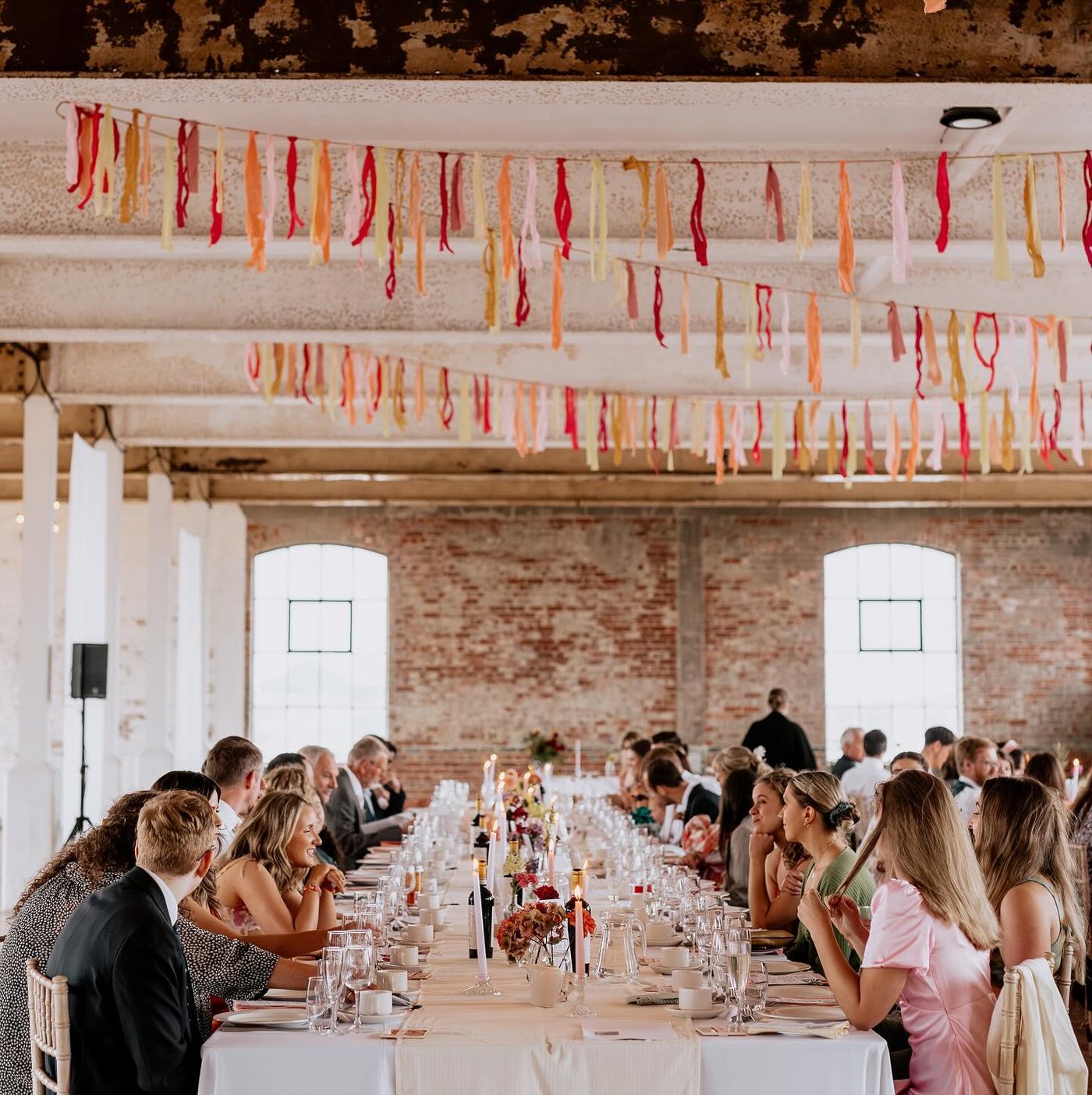
The regeneration of Strand Spinning Mill remains a long-term undertaking. The evidence gathered in 2020 gave Portview a much clearer understanding of the building, the investment challenge and the opportunities that could come from bringing more of the complex back into use. That work continues to inform how Portview approaches conservation, planning, investment and the phased reuse of the Mill. The objective is not simply to restore a historic building. It is to secure a sustainable future for an East Belfast asset — one that continues to support enterprise, learning, culture, employment and community activity for the decades ahead. Explore the stories below to see how the regeneration journey has developed.
Explore further
Discover the research, conversations and partnerships helping shape the future of Strand Spinning Mill.
What the 2020 condition survey revealed about the fabric, history and repair needs of Strand Spinning Mill.
Read the story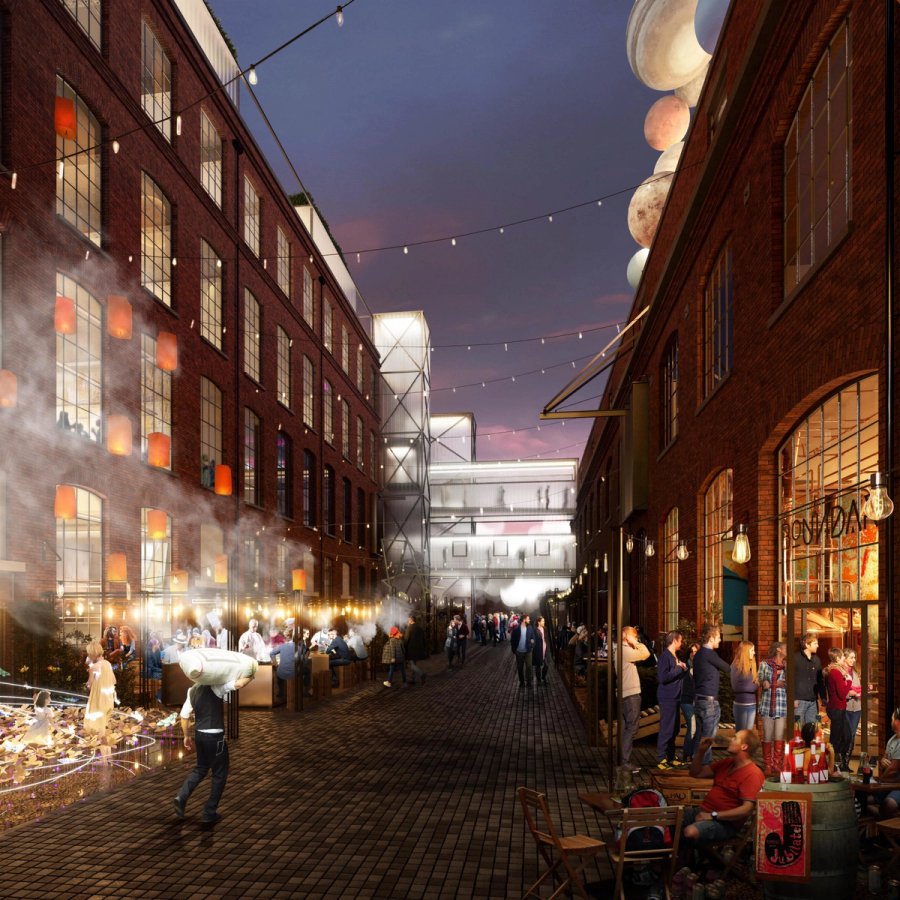
How surveys, design, business planning and specialist studies created the evidence base for regeneration.
Read the story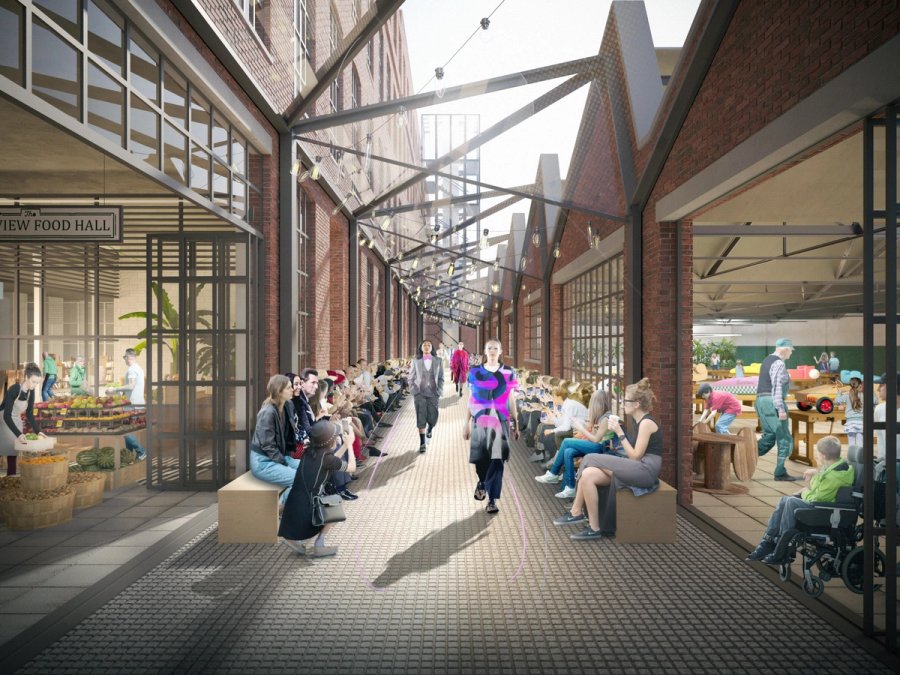
How residents, tenants, young people and partners helped shape the future of Portview.
Read the story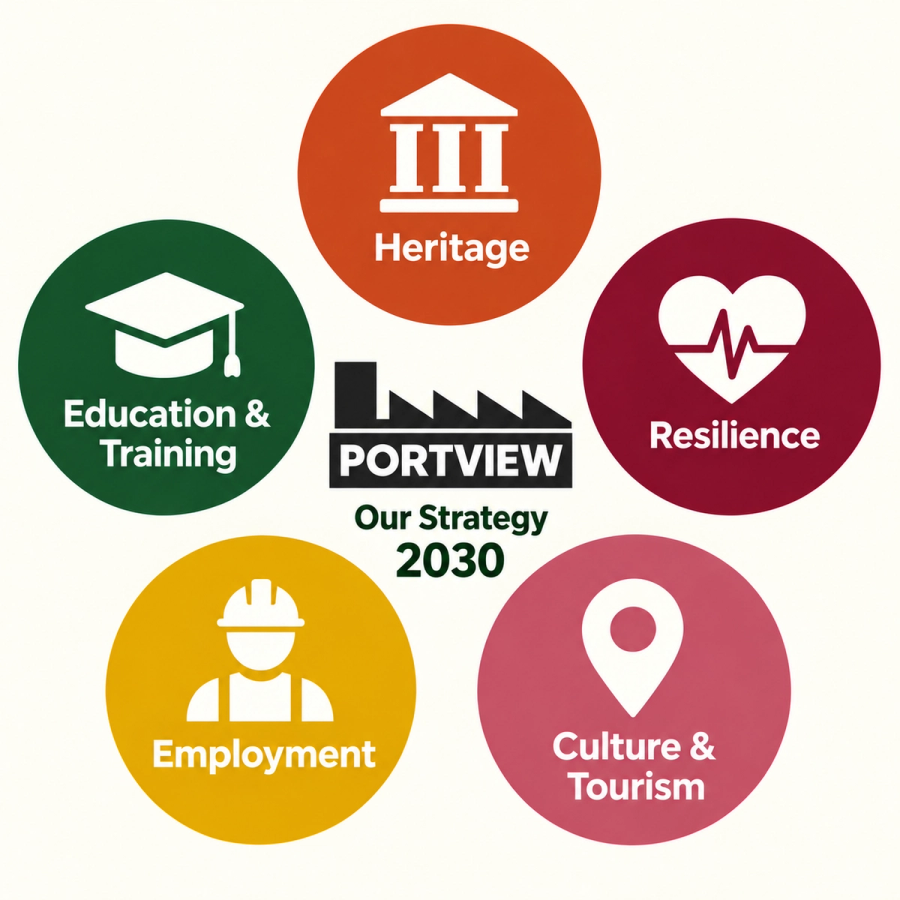
Heritage, skills, resilience, employment and tourism — and what happened next.
Read the story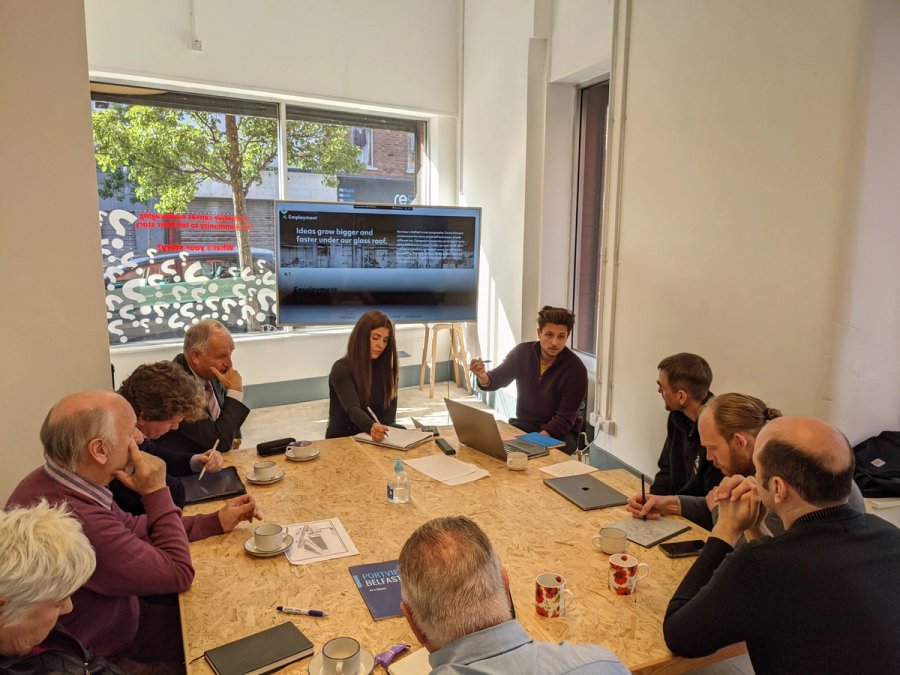
How the 2020 project created new relationships around heritage, skills and regeneration.
Read the story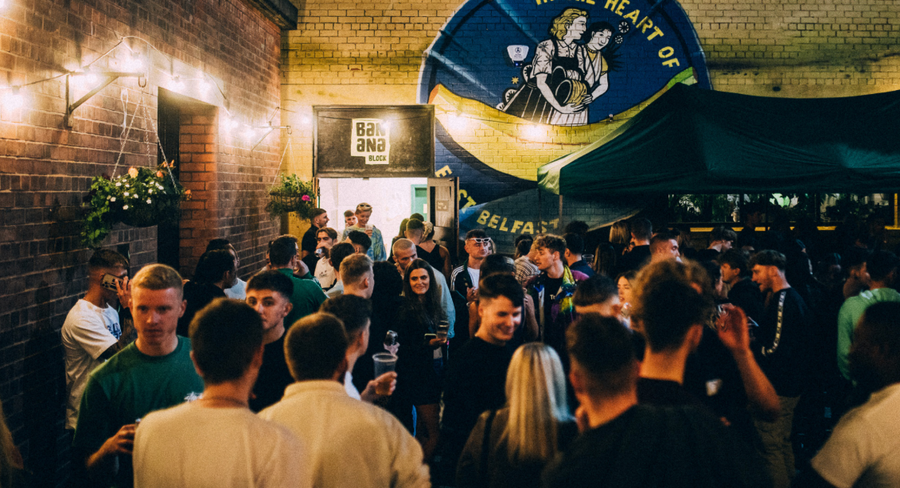
How Portview began testing the idea of opening the Mill to visitors and wider public activity.
Read the story