Building the evidence for the Mill’s future
How surveys, design, business planning and specialist studies created the evidence base for regeneration.
More than a masterplan
The 2020 Portview Heritage Project was designed to answer a difficult question: what would it actually take to secure a sustainable future for Strand Spinning Mill? With support from The National Lottery Heritage Fund, Portview commissioned a connected programme of technical, commercial and community work. Rather than jumping directly to a single design solution, the project examined the building, the market, the people around it and the kinds of activity that could make regeneration viable.
Thirteen pieces of work, one evidence base
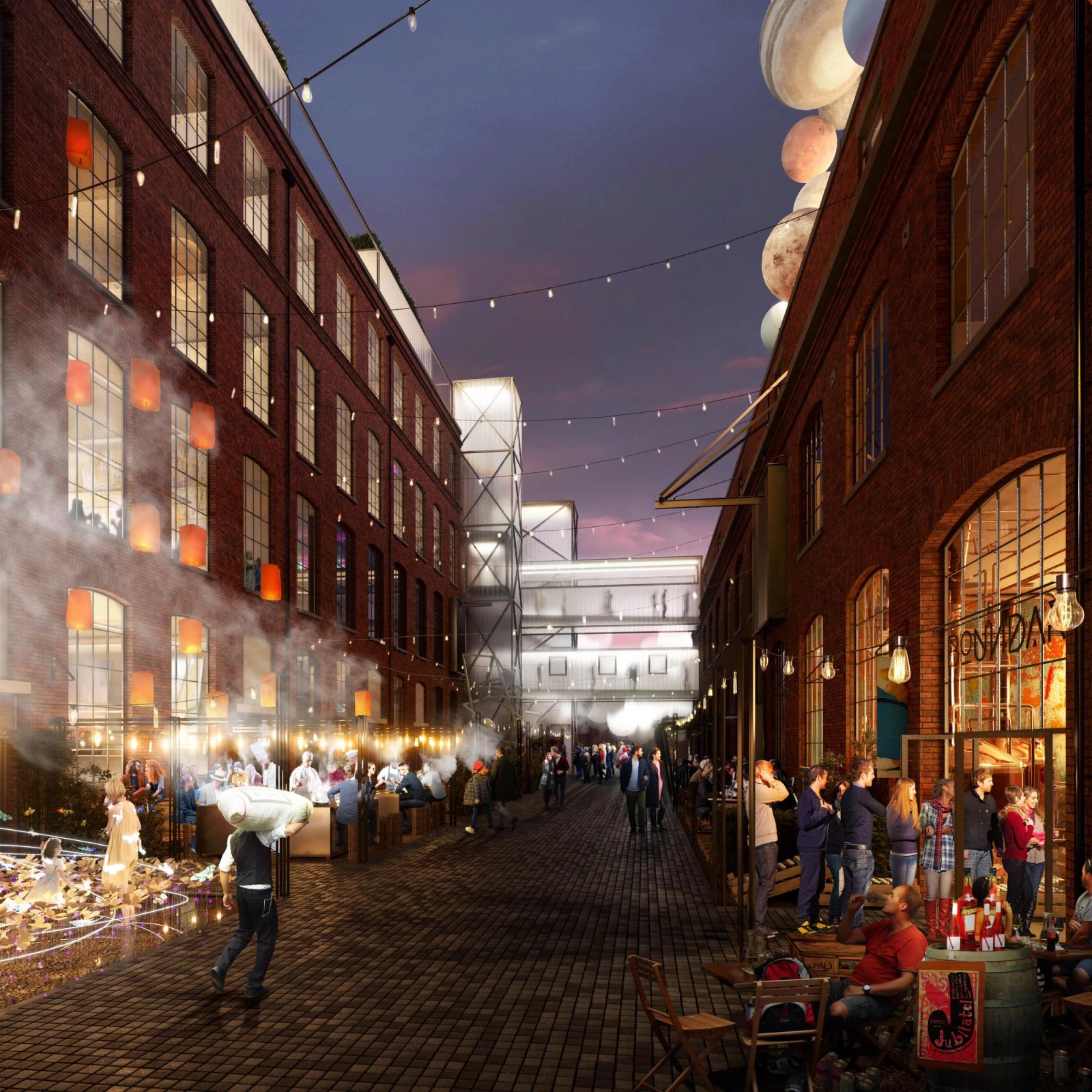
The programme brought together 13 areas of work: measured and structural surveys; heritage conservation; architectural design; environmental strategy; tourism; education and training; an outline business case; quantity surveying; community engagement; branding and design; public relations; and digital / virtual-reality interpretation. Each answered a different part of the regeneration challenge. The condition and structural work identified physical risks. Architecture and cost planning tested what change could involve. Business planning considered long-term viability. Tourism, learning and environmental studies explored how the site could create wider value. Community engagement tested those ideas with tenants, residents, organisations and young people.
Readiness before construction
The value of this work was preparatory. By the end of the programme Portview had a measured understanding of the site, a conservation position, development concepts, cost information, a business-case framework and strategies covering skills, sustainability and tourism. The evaluation concluded that this significantly improved the project’s readiness for future capital investment, detailed planning and phased restoration. That distinction remains important today: feasibility work does not replace physical investment, but it reduces uncertainty and gives major regeneration projects a credible route towards it. For a listed industrial site as complex as Portview, building the evidence is itself a necessary stage of regeneration.