From the Archive
The Making of Portview
How the Belfast Development Agency gave the former Mill a new purpose as workspace for independent businesses.
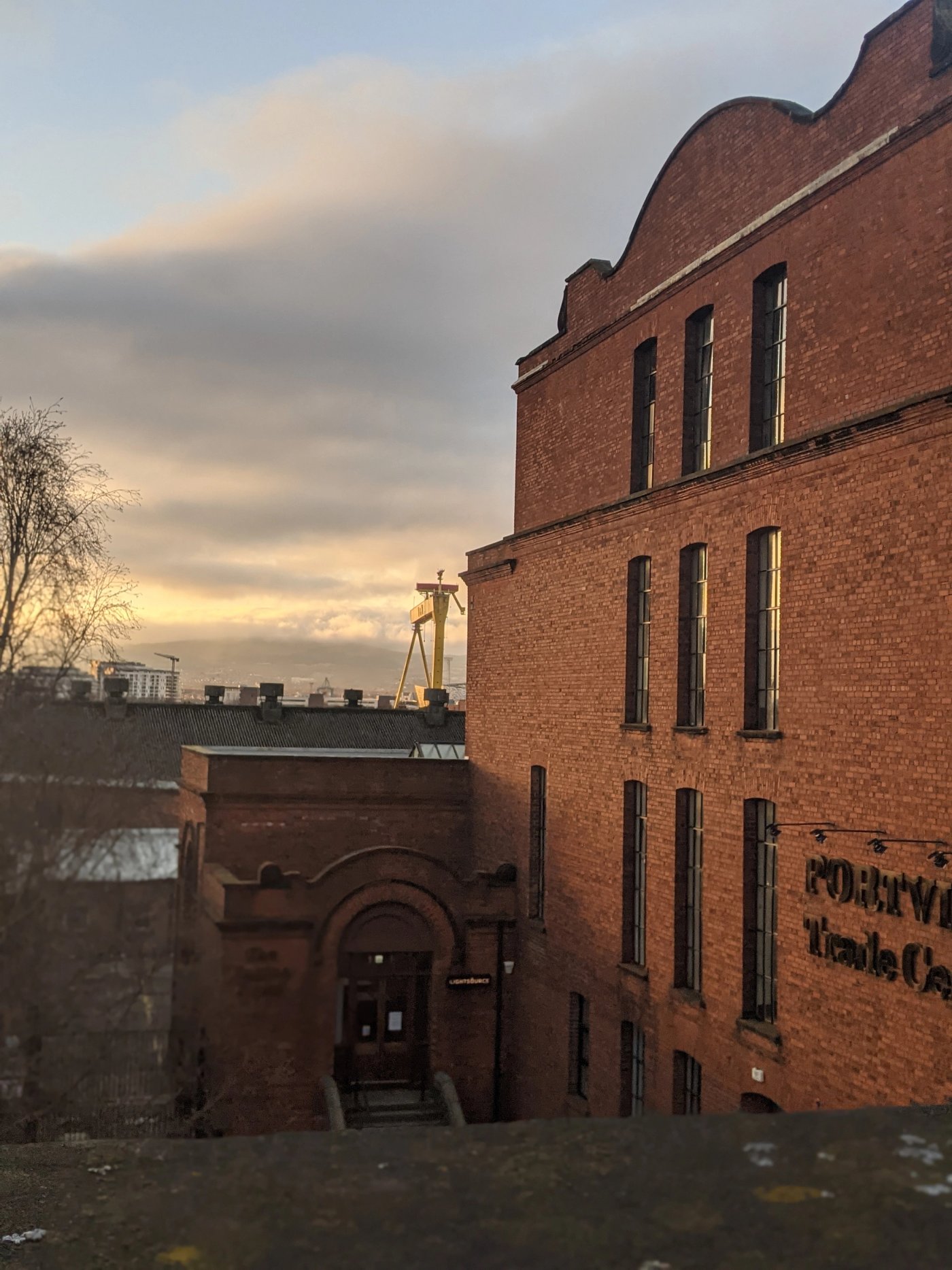
Read the storyBuilt in 1911, the former Strand Spinning Mill connects Belfast’s linen industry with the enterprise of today. Its history includes industrial ambition, the lives of mill workers, wartime change and a new purpose as Portview Trade Centre.
The Mill began life as Jaffé Spinning Mills, associated with Sir Otto Jaffé and the Jaffé family’s linen business. Production was underway by early 1912, adding a substantial workplace to the industrial landscape of East Belfast. Its role was to spin flax into yarn for further manufacture into linen, linking the site to a wider network of mills and factories.
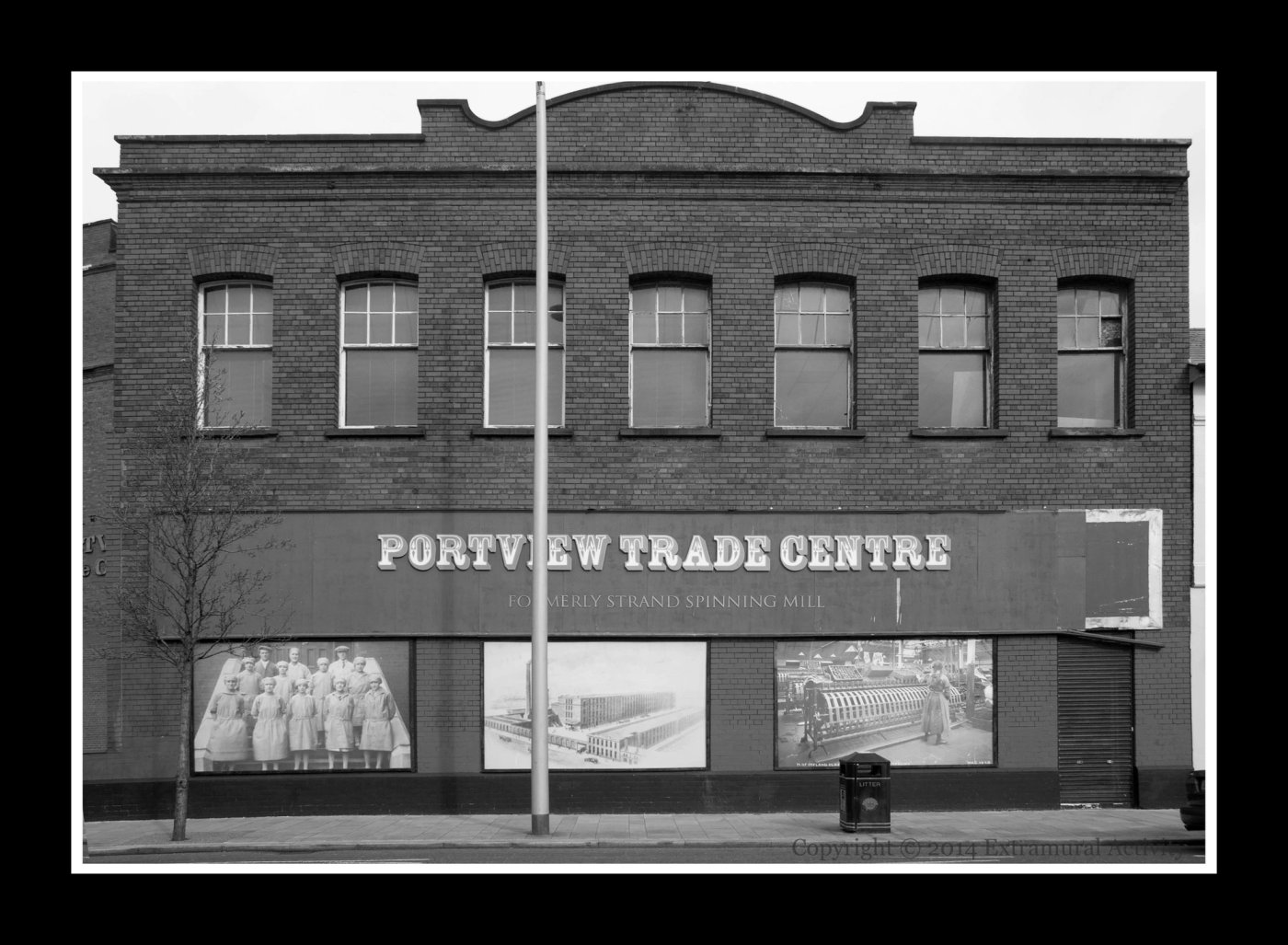
Born in Hamburg, Sir Otto Jaffé became a prominent businessman, philanthropist and civic figure in Belfast. He served twice as Lord Mayor and supported institutions including the Royal Victoria Hospital and the institution now known as Queen’s University Belfast.
He helped fund the Annesley Street synagogue and, with his wife Paula, established a school on the Cliftonville Road that welcomed children from different religious backgrounds. Despite his public service and British citizenship, the family faced hostility because of their German origins during the First World War. They left Belfast for London in 1916.
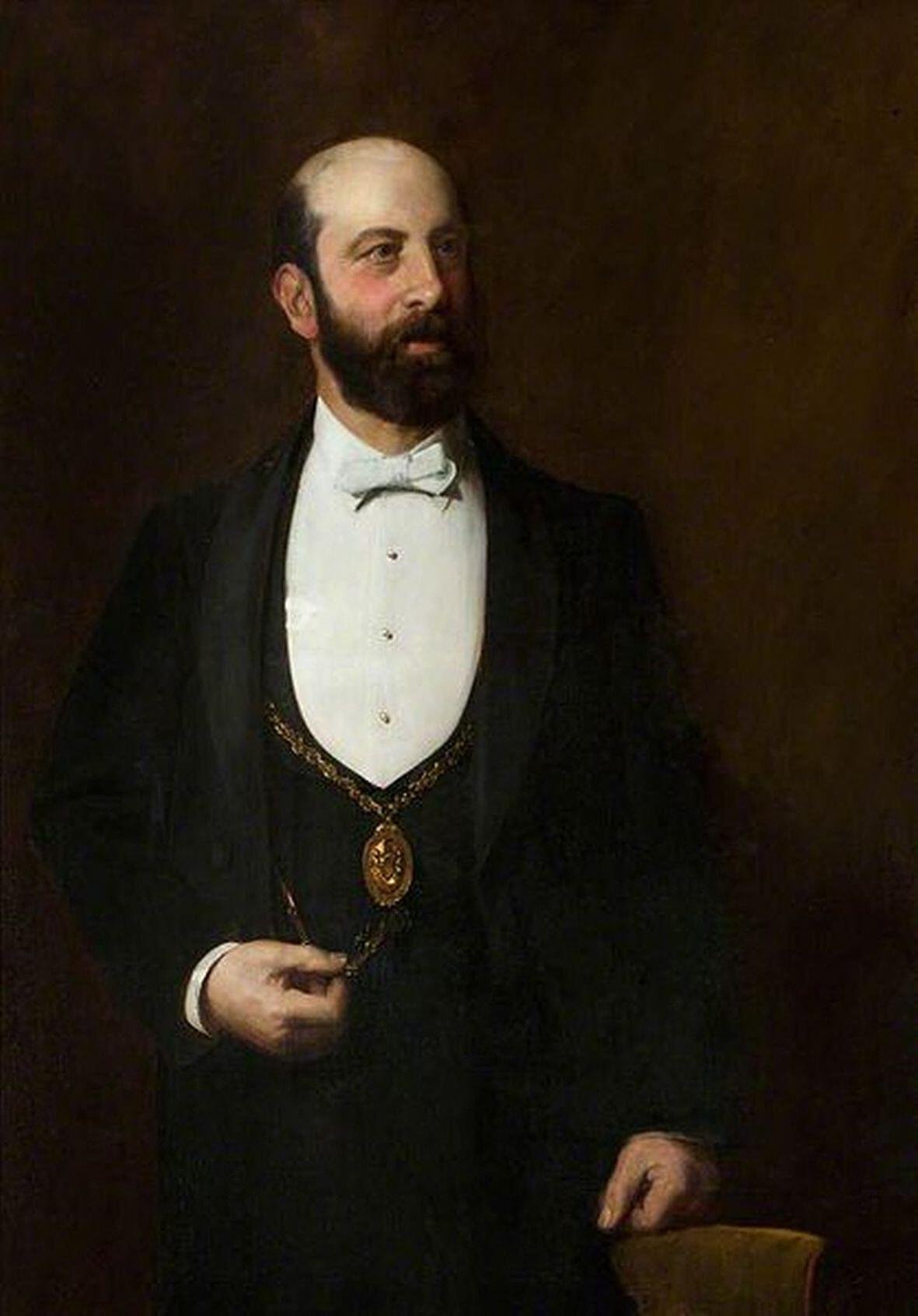
Women played a central role in the Mill’s workforce, alongside those maintaining machinery, moving materials and keeping production running. Their working lives and the demanding conditions of textile production are an essential part of its history.
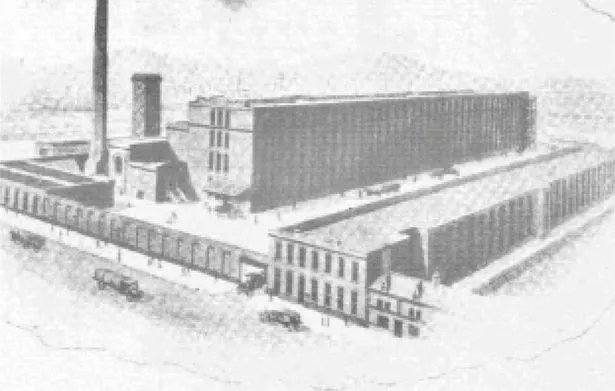
The Mill passed into Mackie ownership in 1922 and became known as Strand Spinning Mill. The Mackies were renowned textile-machinery manufacturers, connecting the site with another important part of Belfast’s industrial history.
The complex changed through wartime damage, rebuilding and alterations. Production also adapted to include synthetic fibres alongside flax-based yarn. It stood within an East Belfast shaped by manufacturing.
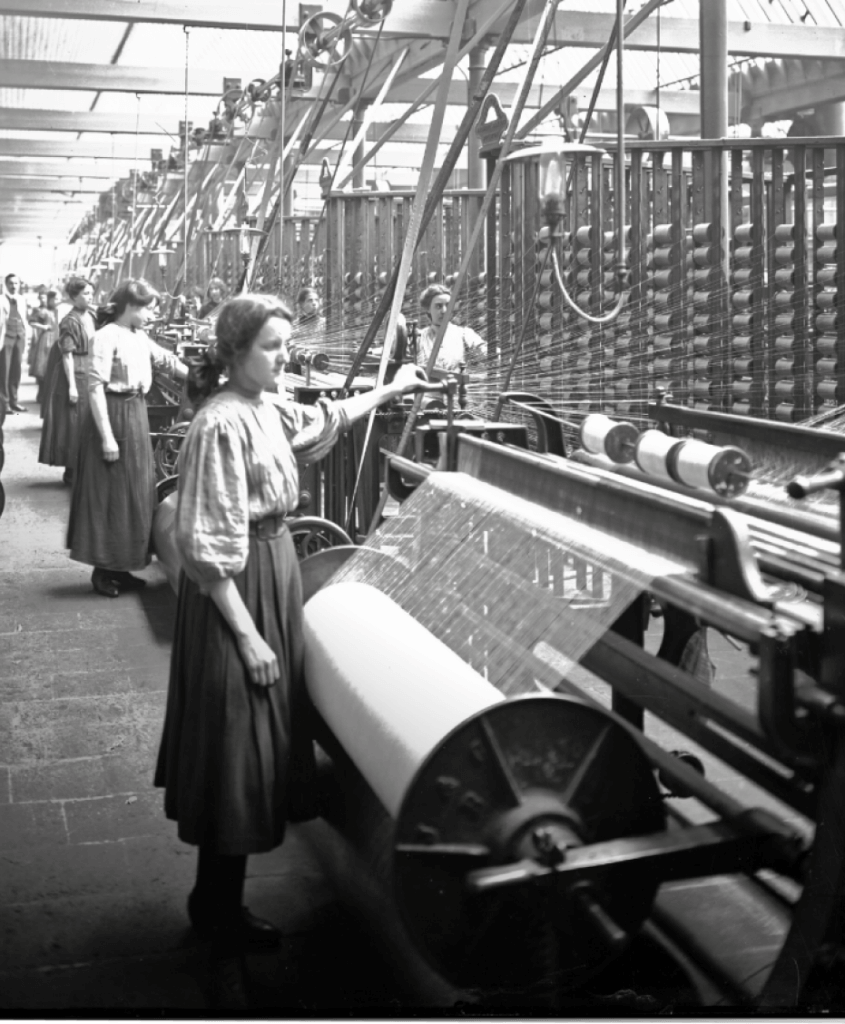
As the textile industry declined, the Mill’s industrial working life came to an end. The Belfast Development Agency acquired the Mill in February 1984 and found a new purpose for the buildings. Portview Trade Centre launched in 1984, adapting former mill spaces into units for independent businesses.
Today, caring for the Mill means protecting its fabric and workers’ stories while keeping its buildings useful.
Portview’s role today also connects the Mill to the wider work of its parent charity, the Belfast Unemployed Resource Centre. Through BDA (Property Projects) Ltd, Portview supports enterprise, learning and the continued use of historic buildings, alongside BURC’s work in welfare advice, education and inclusion. This carries the site’s association with work into a broader commitment to opportunity and community regeneration.
The next chapter
Follow the transition from an industrial mill to a home for independent enterprise.
How the Belfast Development Agency gave the former Mill a new purpose as workspace for independent businesses.
Read the storyHow Portview’s long-term stewardship supports enterprise, learning and opportunity in East Belfast.
See our impactExplore the continuing work to conserve the buildings and bring more of the Mill into use.
Explore regeneration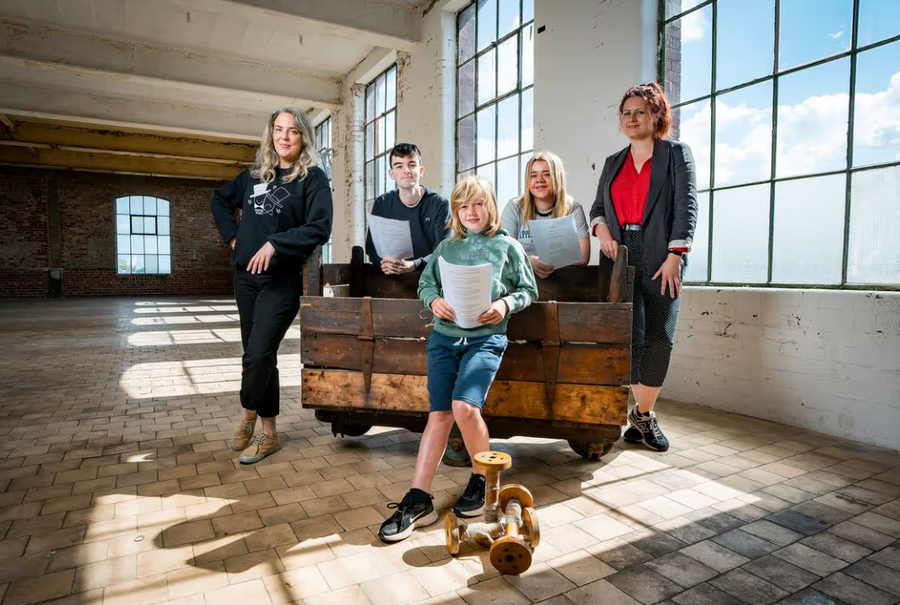
Roma Tomelty’s Half Timers was revived at Portview, bringing a play about young linen workers back into a former Belfast spinning mill.
Read the story
Portview invited former mill workers, their families and the East Belfast community to help preserve the stories and social history of Strand Spinning Mill.
Read the story